You scroll past it at 11pm, phone light glowing over a sulky, slow‑swirling loo. The hack looks disarmingly simple: squirt in a generous line of washing‑up liquid, wait for the bubbles, then flush and watch everything glide away. It’s cheap, it’s in the cupboard, and it promises to save you the embarrassment of calling a plumber for a misbehaving toilet.
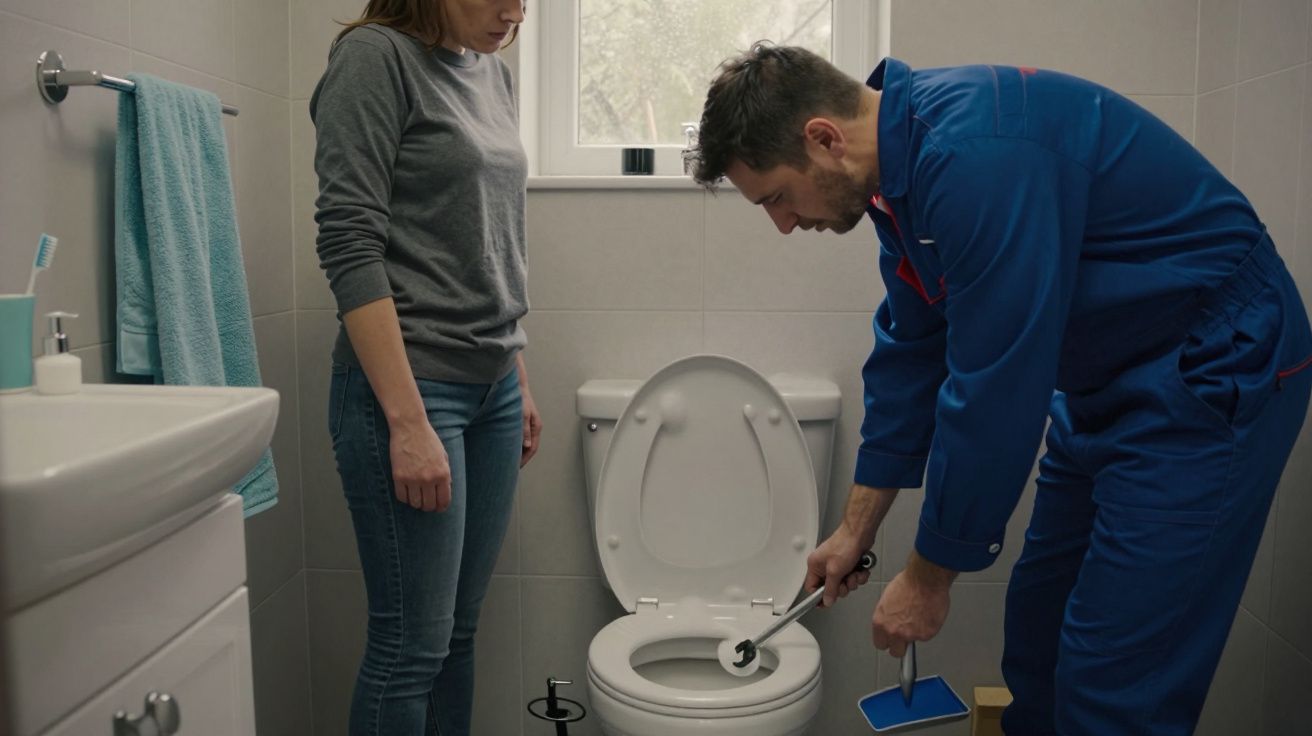
Fast‑forward to a damp Tuesday in a semi in Leeds. A plumber is standing in the hallway, boots in a tray, listening to your story about “this trick I saw online”. Downstairs, the pan’s full of grey foam, the bath is gurgling, and somewhere in the stack pipe a serious blockage is now wedged further along than before. He’s seen three versions of the same thing this week alone. His verdict is blunt: “A bit of bubbles once is fine. Half a bottle every time the loo sulks? That’s how you quietly wreck a system.”
Why washing‑up liquid in the toilet took off online
On video, it looks almost satisfying. A bright green ribbon of liquid snakes round the bowl, then thick, glossy suds bloom up as water’s added. Creators swear by it for “breaking up” fat, softening paper, or “lubricating” the pipes so stuck waste slips away. Compared with buying a plunger or ringing an emergency number, the appeal is obvious.
There is a sliver of truth. Washing‑up liquid is a mild surfactant. In tiny amounts, it can help water spread and seep into a soft blockage near the pan, and the extra slipperiness might let an awkward “U‑bend moment” resolve itself. That’s the part the videos show you.
What they don’t show is the hidden state of your pipework, how far down the blockage sits, or what’s already lurking in the stack from upstairs neighbours. Toilets aren’t designed to be bubble machines. They’re designed to shift solid waste with a sharp, clean rush of water. Turn that into froth and guess what gets left behind.
What plumbers actually see when this hack goes wrong
Speak to UK plumbers and you hear the same weary list: foamy overflows, fatbergs pushed deeper, and old pipes taking a quiet beating. The trouble isn’t a one‑off, small squirt. It’s the viral advice to “use loads” and repeat it any time the flush looks sluggish.
First, the foam. Toilets rely on a fast column of water carrying waste round bends. When you add lots of detergent, that column turns into a tube of bubbles. It looks dramatic in the pan, yet in the pipe it can slow flow, trap bits of paper, and leave heavier solids behind. That’s how a minor snag becomes a stuck mass further along.
Second, pressure. Many people combine the washing‑up liquid trick with buckets of very hot, even boiling water. Old ceramic bowls and PVC soil pipes don’t love sudden heat shocks. Hairline cracks, softened seals and warped plastic might not show up immediately, but over months you can end up with tiny leaks that only reveal themselves as damp patches or smells.
Then there’s the system itself. If you’re in a flat with a shared stack, forcing a foamy mess down your loo can simply move the problem into your neighbour’s branch, or into the main soil pipe where it’s harder to reach. Add kitchen grease, wipes and hair from other flats and you’ve laid the foundations of a solid blockage that no amount of Fairy will touch.
“Most blockages we clear aren’t fixed by clever liquids. They’re fixed by getting the stuff out,” says a London plumber who now asks every blocked‑loo client if they’ve “tried the internet” first.
Septic tanks, macerators and rubber seals
If you’re on a septic tank, large slugs of washing‑up liquid are an extra issue. Your tank relies on bacteria to break down waste; constant heavy doses of surfactants and disinfectants can knock that balance off. Once the biology is unhappy, you get smells, more frequent emptying and, in bad cases, untreated effluent making its way out.
Macerator toilets (such as Saniflo units) and some modern cisterns have rubber seals and components that aren’t thrilled by repeated baths of concentrated detergent either. Again, it’s the habit that hurts: a tiny bit now and then is one thing; throwing half a bottle in every few days is another.
Common mistakes that quietly make a blockage worse
The hack itself is only part of the story. It’s how people copy it that lands them in trouble. Plumbers list the same missteps again and again:
- Using far too much liquid – glugging in a quarter to half a bottle instead of a small squirt.
- Following it with boiling water – enough heat to stress porcelain and soften plastic joints.
- Layering chemicals – mixing washing‑up liquid with bleach, caustic drain cleaners or “mystery granules” from the cupboard, risking fumes and unpredictable reactions.
- Repeated flushing in panic – every flush just raises the water level, increases the foam, and risks an overflow onto the floor.
Once the water is sitting high in the bowl, you’ve already lost the luxury of experiments. At that point, more liquid rarely helps; it just makes the clean‑up grimier.
What to do instead when the toilet blocks
You do have good, boring tools that work with how toilets are actually built.
- Stop flushing. Let the water level settle. If it’s near the rim, scoop some out into a bucket (with gloves) and pour it down a different working drain or outside gully.
- Reach for a proper plunger. A toilet plunger has that extra flange to seal around the outlet. Press it in gently to seat, then use firm, rhythmic pushes and pulls. You’re trying to move water, not air. Thirty seconds often tells you if it’s shifting.
- Use warm, not boiling, water. A bucket of hot tap water poured from waist height into a half‑full bowl can help dissolve paper clumps and add momentum without shocking the porcelain.
- Try a toilet auger (drain snake). For recurring clogs or toys and solid objects, a mechanical tool that actually contacts the blockage is far more effective than soap.
- Enzyme‑based products over harsh chemicals. If you must use a product, choose one designed for toilets that relies on enzymes or mild chemistry, and follow the instructions exactly.
If you live in rented accommodation, especially flats, it’s often smarter to stop early and ring the landlord or managing agent. They’d rather pay for a straightforward call‑out than a flood down three floors.
Simple habits that prevent most toilet dramas
Plumbers are almost boringly unanimous about this bit. Most blockages are down to what goes in the pan in the first place.
- Stick to the “three Ps” – pee, poo and paper.
- Bin, don’t flush, wipes – even “flushable” wipes can snag and tangle.
- Keep food, fat and coffee grounds in the kitchen bin, not the sink or loo. Grease cools and sets inside pipes, catching everything else.
- Fit hair catchers in showers and baths. Hair plus soap scum downstream makes for clingy clogs that eventually affect the toilet too.
- Keep children’s bits out of reach of the bowl. Toys, cotton buds, dental floss, make‑up pads – plumbers find them all.
Think of your drains as narrow, shared motorways. The fewer awkward “vehicles” you send down them, the less drama later.
Quick glance: what helps and what harms
| Action | Good idea? | Why |
|---|---|---|
| Small squirt of washing‑up liquid once, no boiling water | Usually harmless, may help minor, soft clogs near pan | Mild surfactant, little extra slip |
| Repeated large doses + hot or boiling water | Risky | Foam, pressure, heat stress, can move/block deeper |
| Plunger + warm water + patience | Recommended first line | Uses water movement, works with toilet design |
When it’s time to call a professional
There’s a point where DIY stops being sensible and starts risking damage. Plumbers suggest you get help if:
- Every flush causes the water to rise close to the rim or overflow.
- You hear gurgling in the bath, shower or sink when you flush.
- More than one toilet or drain in the house is slow at the same time.
- There’s a persistent sewage smell indoors or in the garden.
- You’ve tried a plunger and warm water calmly and nothing has changed.
Those signs point to a blockage in the main soil pipe or beyond, not just a sulk in the U‑bend. No influencer hack will fix that; it needs proper access and, sometimes, a camera.
“If it keeps coming back, it’s not a one‑off blockage, it’s a pattern. And patterns in drains mean something further along isn’t right,” notes a Midlands drainage engineer who now quietly dreads viral “tricks”.
The reassuring part? A calm, early response is almost always cheaper than a late, foamy, panicked one.
FAQ:
- Is it ever OK to put washing‑up liquid down the toilet? A tiny squirt now and then won’t destroy your plumbing, especially if it’s a one‑off. The problem is turning it into your go‑to fix and using large amounts, particularly with very hot water.
- Can this hack actually clear a blockage? It might help with a light, soft clog close to the bowl, but it does nothing for toys, wipes, roots or heavy build‑ups further down. That’s why plumbers see it as at best a distraction, at worst a way to push the problem deeper.
- What should I try first when my toilet is slow? Stop flushing, give it a little time to drop, then use a proper toilet plunger with warm water. If that fails and the water keeps rising, stop and call for help.
- Are chemical drain cleaners better than washing‑up liquid? Most are not recommended for toilets. They can sit in the pan, damage glaze, attack seals and create hazardous fumes, especially when mixed. Mechanical methods are safer and more effective.
- I’m on a septic tank – does this make a difference? Yes. Repeated large doses of detergents and disinfectants can upset the bacteria your tank relies on. Keep strong cleaners and big slugs of washing‑up liquid to a minimum and follow your tank maintenance advice.


Comments (0)
No comments yet. Be the first to comment!
Leave a Comment