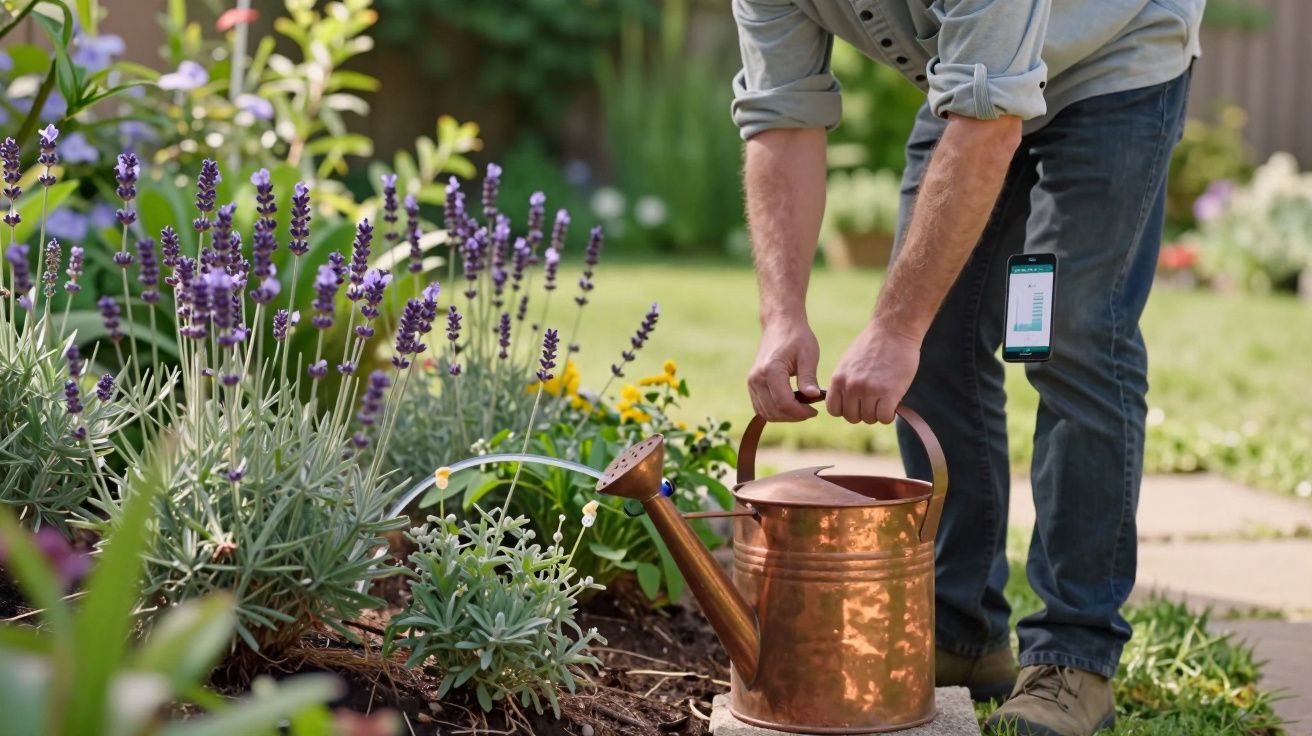
The first warm weekend of the year hasn’t arrived yet, but the conversations in garden centres already have. Two aisles over from the seed potatoes, someone is muttering about “yet another hosepipe ban” and wondering whether it’s even worth planting up hanging baskets if they’re going to be rationed by July.
You remember last summer’s dance with the watering can: the endless trips from kitchen tap to thirsty border, the quiet resentment towards next door’s perfectly green lawn that definitely wasn’t being hand‑watered. The letters from the water company landed with all the subtlety of a parking fine: use less, or else. It felt less like shared crisis and more like being told off.
This year, the warnings are starting earlier, and they sound slightly different. Buried in the small print of emails and bill inserts is a new language about “smart meters”, “seasonal usage bands” and “demand reduction incentives”. Dry phrases, literally. But behind them is a shift that could make life a bit easier for the people who are already careful with every drop.
Water firms, under pressure from regulators and angry customers, are quietly re‑wiring the way they measure and price what comes out of your tap. If you’re the sort of gardener who times watering for dusk, hoards water butts like treasure and hasn’t used a sprinkler in years, next spring’s hosepipe rules may land differently for you than for the neighbour who treats the patio like a car‑wash.
The trick, as with most utilities, will be understanding the meter before it starts understanding you.
The quiet meter revolution on your street
For decades, the average household water meter was a small, steamed‑up dial under a cast‑iron lid in the pavement. It was read once or twice a year by someone in a hi‑vis vest, and you got a bill based on long averages and educated guesses. Your careful winter habits were blurred together with your neighbour’s paddling pool.
That’s changing, especially in the parts of England that flirt with drought every summer. Water companies are steadily swapping out old meters for “smart” versions that can be read remotely, often every day. They sit in the same holes in the pavement, but behind the plastic lens is a battery, a radio and a lot more data.
On paper, the pitch is simple: if companies know exactly when and how much water each street is using, they can manage shortages more fairly and fix leaks faster. Instead of discovering six months late that half a cul‑de‑sac’s water is vanishing into the ground, they can spot the spike in a day and send a crew.
For customers, the same data can finally show the difference between a household that waters early and sparingly, and one that leaves sprinklers on at midday as if aquifers were infinite. That distinction matters, because it underpins the next step: moving from blunt bans to something closer to “use less, pay less; use more, pay more”.
From blanket bans to “use less, pay less”
The phrase “hosepipe ban” evokes a kind of collective punishment: every gardener on a shared naughty step, regardless of whether they spent the last decade installing water butts or washing the car every Sunday. Regulators and companies know how unpopular that has become.
Behind the scenes, drought plans are being rewritten. They still allow for outright bans when reservoirs run dangerously low, but there is more emphasis on nudging behaviour before things get that bad. Smart meters are the hardware that makes those nudges possible.
In Ofwat’s latest price review, companies are expected to show how they’ll cut demand, reduce leakage and support customers to use less. Tariffs and incentives are part of that toolkit. Instead of only reaching for restrictions, firms are experimenting with ways to:
- Charge less per litre for households that keep within a modest “seasonal allowance”.
- Offer bill credits if you hit reduction targets during dry spells.
- Target warnings and restrictions at the heaviest users first, rather than imposing the same rule on everyone at once.
None of this is a magic shield against hosepipe bans. In a severe drought, the old rules still bite. But in the greyer zone - the dry springs and early summers when companies are nervously watching reservoir graphs - careful gardeners could find themselves treated more like allies than culprits.
What “rewarding careful gardeners” might actually look like
The language in consultation documents is, inevitably, bloodless. “Seasonal block tariffs.” “Enhanced metering signals.” Yet when you strip away the jargon, the ideas are surprisingly homely.
In the trials and proposals emerging from water‑stressed regions, three patterns keep cropping up:
- Cheaper water if you stay under a threshold
Instead of paying the same unit price whether you use 80 or 280 litres per person per day, your bill could be split into bands. Use under, say, a set springtime allowance and you pay the lowest rate. Drift over it and your extra litres cost more.
It’s not about punishing someone for having a long shower once a week. It’s about giving a quiet, monthly pat on the back - in pounds and pence - to the households that consistently stay lean.
- Bonuses during drought alerts
When the rivers sag and the first “use water wisely” leaflets appear, companies increasingly want rapid reductions in demand, long before a formal hosepipe ban. Smart meters allow them to see, almost in real time, who has cut back.
That opens the door to short‑term rewards: a credit if you reduce usage by a set percentage for a few weeks, entry into a draw for a bundle of water‑saving kit, even slightly looser rules on certain garden uses for those who’ve shown restraint.
- More nuanced hosepipe rules
The law already allows companies to make exceptions during bans - for blue badges, for new lawns, for businesses that depend on water. With better data, some firms are looking at how to distinguish between wasteful and efficient garden use too.
That might mean: - Allowing drip‑irrigation systems fed from a water butt or controlled by a timer, even when traditional sprinklers are banned. - Permitting limited hose use at specific times of day for people who can show they’re still under a per‑household cap. - Prioritising allotments and food‑growing over purely decorative watering.
None of this is guaranteed, and it won’t look identical across the country. But the direction of travel is clear: the more precisely your water use can be seen, the easier it is to argue that you deserve better options when things get tight.
The small print on your bill that suddenly matters
Most of us file water bills in the mental drawer marked “fixed cost” and only glance at the total. If spring bans are looming and meters are changing, that habit is worth breaking.
Over the next year or so, keep an eye out for three things:
| Change on your bill | What it means | Why it matters for gardeners |
|---|---|---|
| New meter number or “smart” label | Your old meter has been or will be replaced with a remotely‑read one | Your daily use can now be tracked; future tariffs may use that detail |
| Seasonal usage bands or graphs | Your bill shows how your use shifts through the year | Spikes in dry months will stand out - and so will any reductions you manage |
| References to “water efficiency schemes” or “demand incentives” | Your company is testing rewards or tailored advice | Early sign that cutting back could earn more than just a thank‑you email |
Many water firms also now offer an online dashboard or app where you can see your usage almost in real time. For a gardener, that turns the abstract “we’re using a bit more this month” into something concrete: “A full evening’s careful watering adds about X litres to our daily total; topping up the paddling pool adds Y.”
We’ve all had that moment when a bill feels like a judgment on months you barely remember. Watching the numbers weekly instead of twice a year gives you a chance to steer, not just react.
How to become one of the “good customers” before spring
If companies are quietly preparing to sort households into rough camps - the guzzlers, the average, the careful - the simplest strategy is to make sure you’re firmly in the last group before the next dry spell.
You don’t need to turn your garden into a gravelled moonscape. But a few low‑effort habits between now and April can shift your baseline use enough to matter:
- Trim everyday waste indoors first
It’s boring, but it counts. Fix dripping loos and taps; they are notorious silent wasters. Swap a couple of long baths for showers. Load dishwashers and washing machines fully. The less you “spend” indoors, the more wiggle room you have when borders beg for a drink.
- Store as much rain as you can
Water butts, linked if possible, are still one of the simplest shields against bans. Many companies actually subsidise them, which is worth checking. One decent downpour can fill a butt that will see pots and greenhouse through a surprising number of dry days.
- Shift plants towards drought‑tolerant choices
No one is saying you must abandon delphiniums and hydrangeas. But biasing new purchases towards plants that shrug off a bit of neglect - lavenders, rosemary, sedums, many ornamental grasses - quietly lowers the demand on your tap.
- Mulch like a professional
A layer of compost, bark or even well‑soaked cardboard around plant bases locks moisture in. It’s the gardening equivalent of putting a lid on a simmering pan. Come July, mulched beds stay damp longer, which shows up as fewer litres on your daily meter graph.
- Invest in efficient delivery
Soaker hoses, drip lines and small, targeted sprinklers on timers beat waving a hose over everything once a week. They deliver water to roots, at ground level, where it does the most good. Crucially, they also make it easier to stick to short, regular watering windows if rules tighten.
Think of it less as preparing for punishment and more as creating options. The lower your “normal” usage by the time spring arrives, the easier it is to respond if your company later says, “Cut 15 per cent and we’ll soften the rules.”
Reading your meter like a gardener, not an accountant
Even if you never sit down with a spreadsheet, there is value in spending ten quiet minutes getting to know how your meter behaves.
- Find it (often under a cover near the pavement or just inside the property) and note the reading.
- Water your garden one evening the way you normally would, using your usual kit.
- Check the meter again an hour later.
That single comparison gives you a rough sense of what “a full watering” costs in litres. Do the same on a day you fill the paddling pool, or wash the car, or run the hose for a DIY job. You’re not hunting for perfection. You’re building a mental map.
Once a month, glance at your online usage graph, if you have one, or just jot down the reading. Over time, you’ll see your own pattern: the quiet winter line, the early‑summer rise, the impact of any changes you make.
There is a quiet satisfaction in seeing your efforts to mulch, butt‑up and water sensibly turn into a flatter line than last year’s. And if, next spring, your water company does roll out some kind of reward for restraint, you’ll be ready to take advantage.
The next time you hear “hosepipe ban” in the compost aisle
The phrase will keep popping up in conversations long before any formal announcement. Drier winters, thirstier cities and creaking infrastructure aren’t going away; if anything, the warnings will only get louder.
What is changing is the bluntness of the response. Meters that can see you clearly also give you a better chance of being seen fairly. The gardener who has already shifted habits, stored rain, mulched beds and kept a quiet eye on usage won’t just have a more resilient plot; they’ll have more leverage when new rules land.
So the next time someone in the compost aisle sighs that “we’ll all be banned from watering by May”, you don’t have to argue. You can simply think about the small, unshowy choices you’re making now - the butt by the shed, the evening watering, the smart meter login you’ve actually used - and know that, this time, your efforts are more likely to count.
Not as a moral virtue, but as a line on a graph that could, when spring turns tight, keep a trickle of water flowing to the plants you’ve carefully nursed through the winter.
FAQ:
- Will a smart meter stop a hosepipe ban affecting me? No. In a serious drought, companies can still impose blanket restrictions. Smart meters don’t give anyone immunity, but they do make it easier to design more flexible, targeted rules and incentives.
- Can my water company charge me more just because I have a garden? They can’t single out gardens, but they can introduce tariffs where higher overall usage costs more per litre. If your garden pushes your total much higher than average, your top‑up litres could be charged at a higher rate in future.
- Is it worth getting a meter if I’m not on one yet? For many smaller households in larger properties, a meter already saves money compared with unmetered bills. With more “use less, pay less” schemes on the horizon, being metered generally gives you more control - but check your water company’s calculator before you switch.
- Are drip and soaker hoses allowed during hosepipe bans? It depends on the company and the exact wording of the restriction. Some drought plans already make exceptions for efficient irrigation systems, especially for food crops or for customers with mobility issues. Smart meters may strengthen the case for those carve‑outs.
- How can I find out what my local company is planning? Look for “drought plan”, “water resources management plan” or “PR24 business plan” on your water provider’s website, and sign up for email alerts or apps. That’s where pilots, new tariffs and any reward schemes are usually announced first.



Comments (0)
No comments yet. Be the first to comment!
Leave a Comment